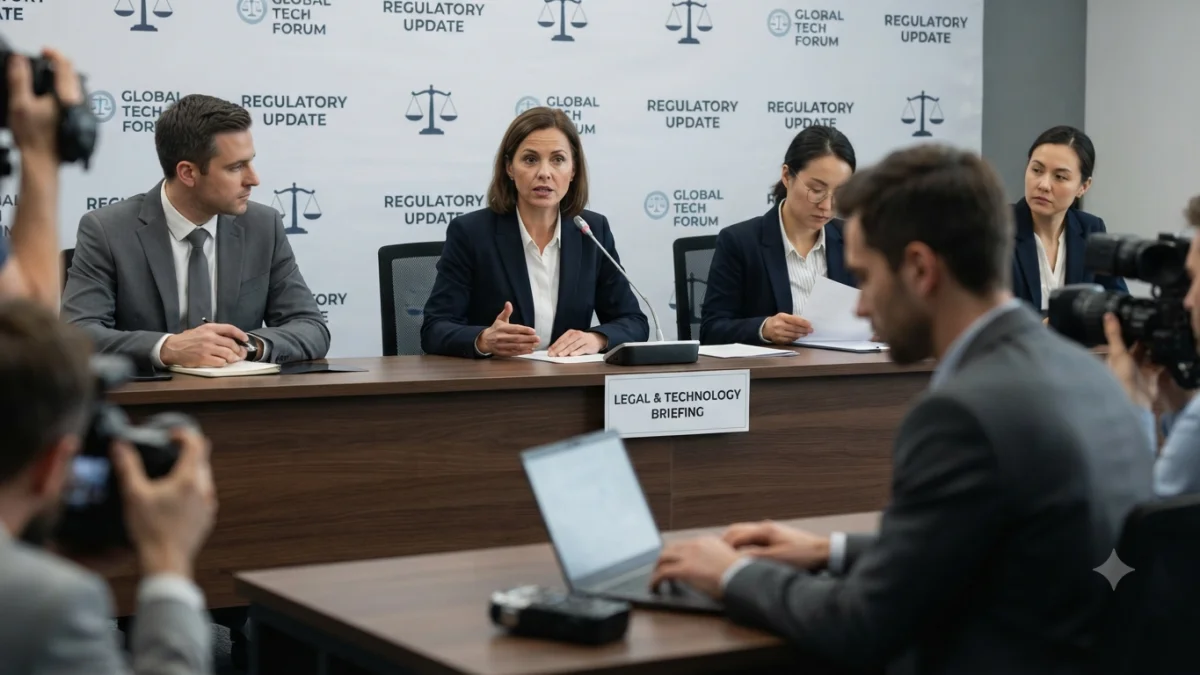


SANTA FE, New Mexico — A New Mexico judge has ordered Meta Platforms to impose new safeguards on artificial-intelligence chatbot interactions involving minors, as part of a broader ruling requiring changes to Facebook and Instagram to address alleged risks to young users.
Judge Bryan Biedscheid of the New Mexico state court ordered Meta to prohibit sexualized chatbot interactions with minors in the state and adopt stronger age-verification measures, alongside other restrictions intended to limit young people's exposure to potentially harmful features. The ruling applies only to users in New Mexico.


The order followed a second phase of litigation brought by New Mexico against Meta, the parent company of Facebook and Instagram. Biedscheid also ordered Meta to pay $567 million into a state fund for teen mental-health prevention and treatment. The penalty is separate from a $375 million civil penalty awarded by a jury earlier this year over claims that Meta violated state consumer-protection laws by misleading consumers about platform safety and failing to adequately protect children.
Under the new requirements, Meta must strengthen age-assurance systems, limit users under 18 to 90 hours of platform use per month, restrict push notifications during school and overnight hours, and introduce additional protections around interactions between minors and adults. The court also ordered safeguards involving post "likes" and suspected nudity.
The chatbot provision follows evidence presented in the case concerning Meta's artificial-intelligence systems. Reuters previously reported that internal company documents showed Meta's AI chatbots could engage children in romantic or sensual conversations. The judge's ruling requires Meta to prevent sexualized chatbot interactions with minors.
Meta has denied that its platforms harm young people and has said it has invested in tools intended to protect teenagers. The company said it plans to appeal the ruling and maintains that claims against it misrepresent its record on youth safety.
Biedscheid rejected some of the state's requested remedies, including changes to Meta's recommendation algorithms and features such as infinite scrolling and autoplay videos, citing technological, operational and other legal concerns. The court's order therefore imposes narrower requirements than those sought by New Mexico.
The ruling does not directly apply outside New Mexico, but Attorney General Raúl Torrez has described it as a potential model for other governments pursuing youth-safety cases against technology companies. A federal trial involving Meta and 29 states is scheduled to begin in California on Aug. 12 over separate allegations concerning children's data and platform design.