

WASHINGTON — Artificial intelligence-generated deepfakes are being used with increasing frequency in U.S. political advertising ahead of the 2026 midterm elections, according to election experts, campaign analysts, and recent campaign activity, prompting renewed debate over disclosure requirements and regulation of synthetic media in political campaigns.
Political campaigns and outside groups have begun deploying AI-generated images, audio, and video in advertisements at the federal, state, and local levels, taking advantage of rapidly improving technology that can create realistic portrayals of candidates and public figures. Analysts say the practice has expanded significantly during the current election cycle.


One of the most prominent examples emerged in Texas earlier this year when the National Republican Senatorial Committee released an advertisement featuring an AI-generated version of Democratic Senate candidate James Talarico appearing to speak directly to viewers. Reuters reported in March that the video was created using artificial intelligence and included a disclosure indicating it was AI-generated.
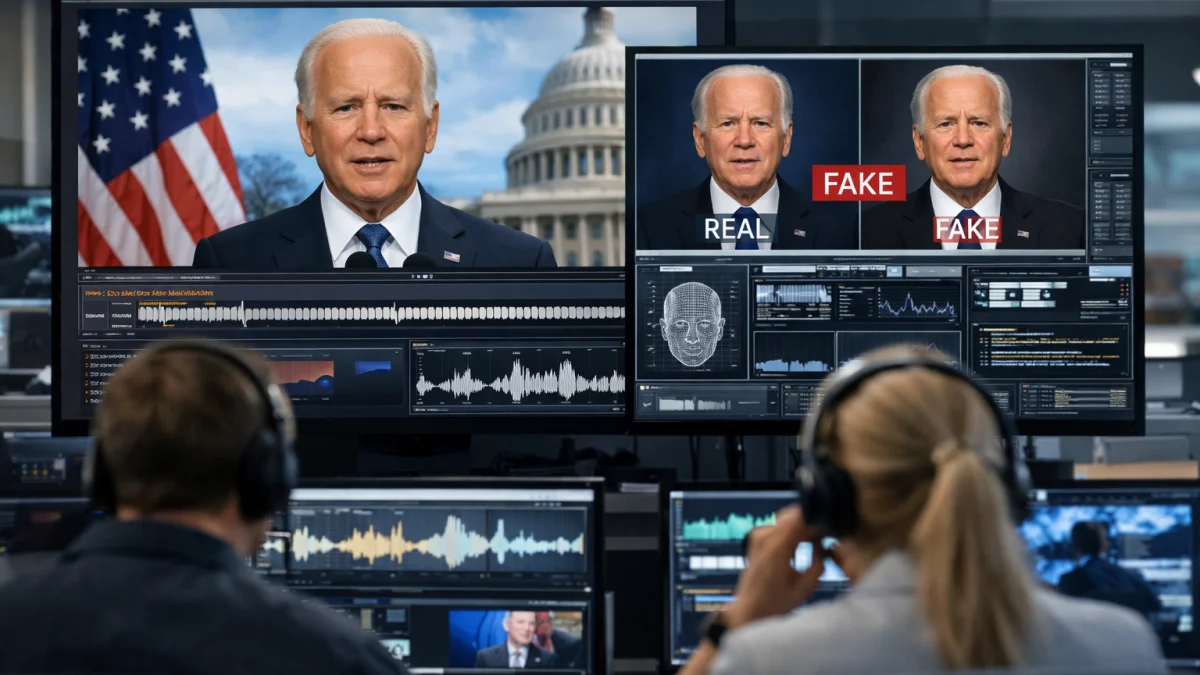
Experts interviewed by Reuters said such advertisements are becoming easier and less expensive to produce, allowing campaigns and political organizations to generate content that closely resembles authentic video footage. They also noted that advances in generative AI have made synthetic media increasingly difficult for viewers to identify.
The growing use of deepfakes has drawn attention from lawmakers and election officials. According to the National Conference of State Legislatures, 30 states have enacted laws addressing the use of AI-generated content in elections. Some states prohibit certain deceptive political deepfakes near election dates, while others require disclosures informing viewers that content has been digitally altered.
At the federal level, no comprehensive law specifically regulates AI-generated political advertisements. Legal experts have described the current framework as a patchwork of state regulations, with disclosure requirements and restrictions varying across jurisdictions.
Supporters of stricter oversight argue that realistic synthetic media could mislead voters if presented without clear labeling. Representative Joe Morelle, the top Democrat on the House Administration Committee, said last month that regulating AI-generated election advertising would be a priority if Democrats regain control of Congress.
Others have raised concerns about balancing regulation with constitutional protections for political speech. Several state laws governing political deepfakes have already faced legal challenges, and questions remain about how far restrictions can go under the First Amendment.
Election officials, technology researchers, and campaign organizations continue to monitor the use of AI-generated political content as the 2026 campaign season progresses. Additional federal legislative proposals have been discussed, but no nationwide regulatory framework has been enacted as of June 2026.