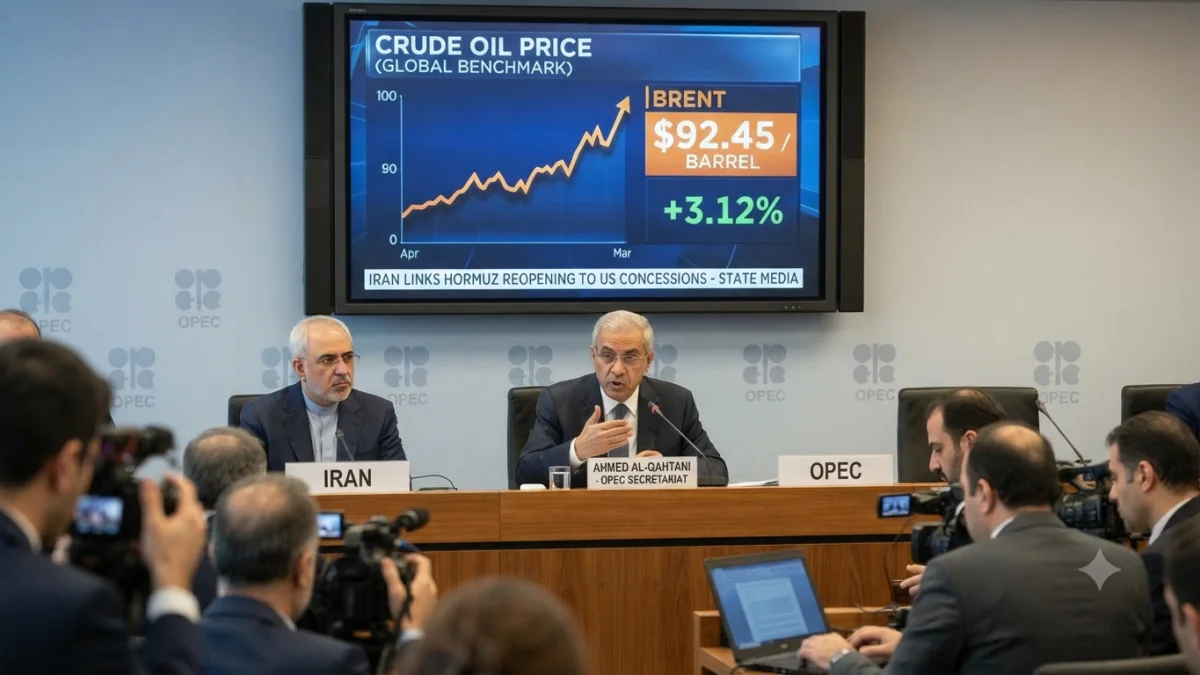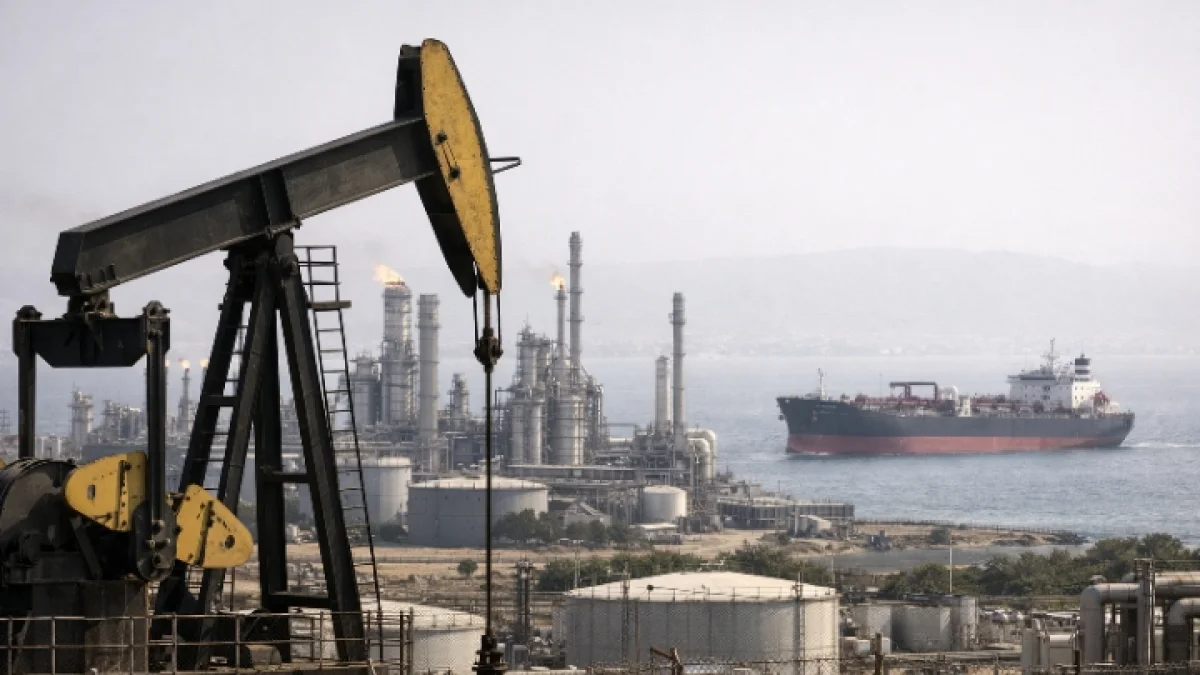


SINGAPORE—Brent crude oil climbed above $90 a barrel on Monday, reaching its highest level in more than a month, as escalating military hostilities between the United States and Iran heightened concerns over disruptions to energy supplies moving through the Strait of Hormuz, a critical global oil shipping route.
Brent crude futures rose about 3% to trade above $90 a barrel during Asian trading after gaining nearly 16% last week, while U.S. West Texas Intermediate crude advanced to around $85 a barrel. The latest gains reflected growing market concern that continued conflict could restrict exports from the Middle East, which accounts for a significant share of global crude production.


The increase followed a weekend in which the United States and Iran expanded military operations. According to official statements cited by Reuters, Washington continued attacks against Iranian targets while regional allies reported additional Iranian strikes. Shipping activity through the Strait of Hormuz also remained below normal levels after recent security incidents, adding to fears of tighter supplies.
The United Kingdom Maritime Trade Operations agency reported that a vessel was on fire northwest of Oman's Kumzar early Monday, while shipping data showed fewer vessels transiting the Strait of Hormuz than in previous days. Analysts said the decline in tanker traffic has become an important indicator for oil traders assessing the risk of prolonged supply disruptions.
Barclays analyst Amarpreet Singh said in a research note that the coming days and weeks would provide a clearer picture of sustainable oil exports from the region under the current security conditions. He added that oil inventories were considerably tighter than at the start of the conflict, increasing the market's sensitivity to any sustained disruption in exports.
Despite the sharp rally, prices later eased from session highs after Iran's foreign ministry signaled that renewed negotiations with the United States remained possible if they served the country's national interests. The remarks reduced some immediate concerns over a prolonged interruption to oil flows, although markets remained focused on developments in the Gulf.
Investors are closely monitoring official announcements from governments, military authorities and maritime agencies for further indications of whether energy shipments through the Strait of Hormuz can return to normal levels or whether geopolitical risks will continue to support higher oil prices.