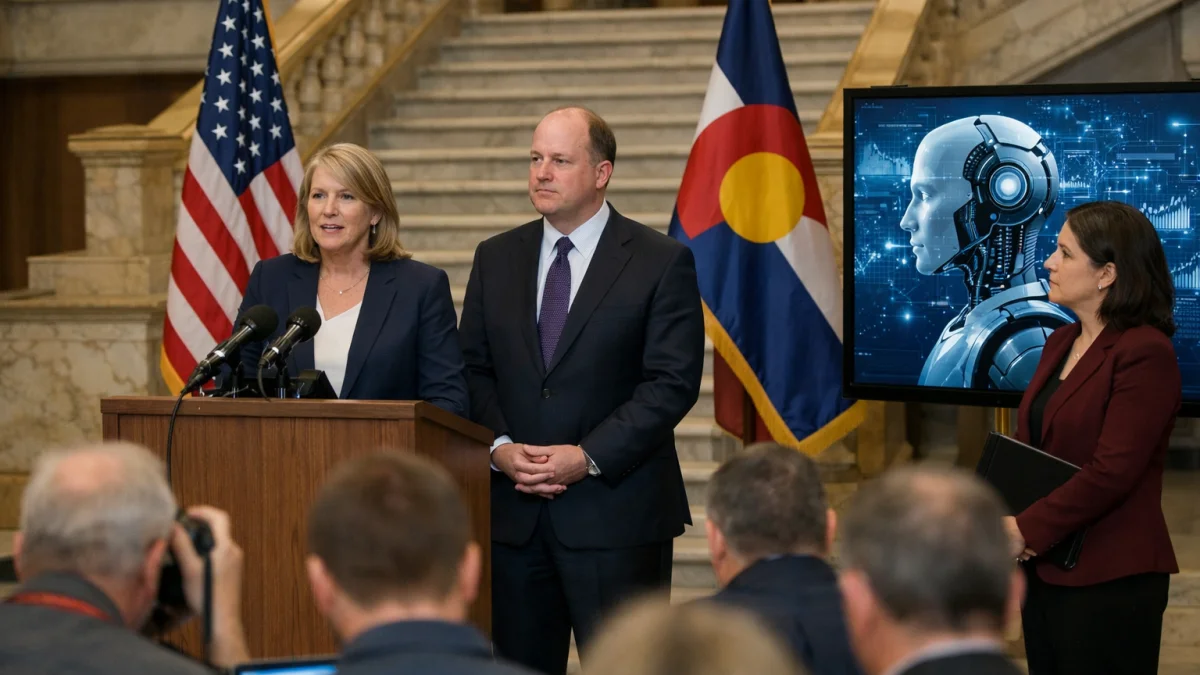


DENVER — A Colorado law aimed at providing consumer protections and accountability in the use of artificial intelligence systems is scheduled to take effect by the end of June, state officials said, following multiple delays and revisions.
The measure, originally enacted in 2024 as Senate Bill 24-205, establishes requirements for developers and deployers of high-risk AI systems used in areas such as employment, housing, credit, education and healthcare. It was delayed from an initial February 2026 start date to June 30, 2026, through legislation signed last year.


However, the Colorado General Assembly passed and Gov. Jared Polis signed a replacement bill, SB 26-189, in May 2026 that repeals and revises the original framework. The new law shifts focus to automated decision-making technology in consequential decisions and emphasizes transparency, notices and consumer rights rather than broad risk management obligations.
Under the revised statute, obligations include providing pre-use notices in certain cases, explanations after adverse outcomes, opportunities for correction and human review, along with record-keeping requirements. It takes effect on January 1, 2027, according to legislative records.
The original 2024 law required developers and deployers of high-risk systems to use reasonable care to prevent algorithmic discrimination and conduct impact assessments. Industry groups raised concerns about compliance burdens, leading to the working group process and eventual rewrite.
“Colorado is leading the way in our nation with AI guardrails that champion transparency, accountability and fairness,” Polis said in a statement following the signing of the revised legislation.
The developments reflect ongoing efforts to balance innovation with consumer safeguards amid rapid AI adoption. The revised law removes some earlier requirements for risk management policies and reporting to the attorney general while maintaining enforcement authority with the state attorney general’s office and no private right of action.
As of mid-June, state officials and businesses continued preparing for implementation timelines. Details on final rulemaking and enforcement procedures remain under development. Additional AI-related bills passed this session address specific uses such as chatbots and health insurance decisions, with varying effective dates.
The Colorado Attorney General’s office has indicated it will not pursue enforcement actions until required rulemaking is complete for the new framework. Businesses operating in the state are reviewing compliance needs as the June 30 milestone for the prior version passes. Legislative staff confirmed the replacement law supersedes earlier provisions.