

ROME — The United Nations' Food and Agriculture Organization (FAO) has warned that the world is approaching a fresh surge in food prices as conflicts, rising energy costs, fertilizer shortages and an emerging El Niño weather pattern combine to increase pressure on global agricultural production and supply chains.
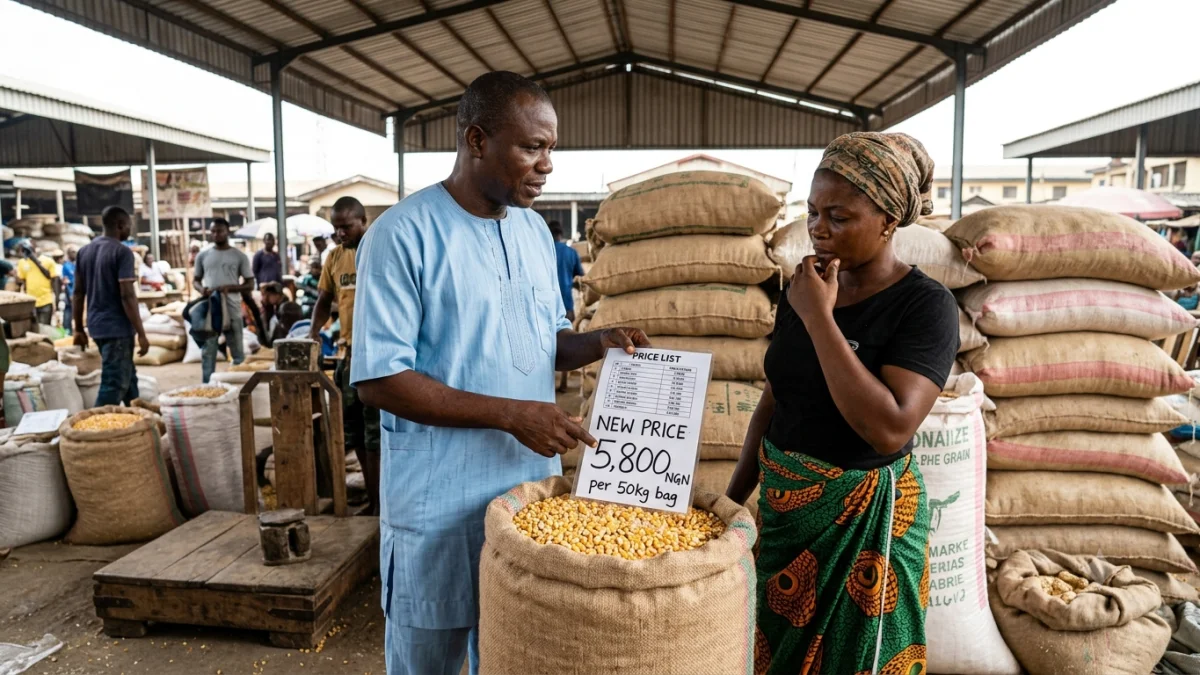
The agency said the current period of relatively stable international food prices is unlikely to last if geopolitical disruptions and adverse weather persist, with higher production and transport costs expected to filter through to consumers over the coming months. FAO Chief Economist Máximo Torero said food price inflation typically follows increases in commodity and input costs with a lag of three to six months.


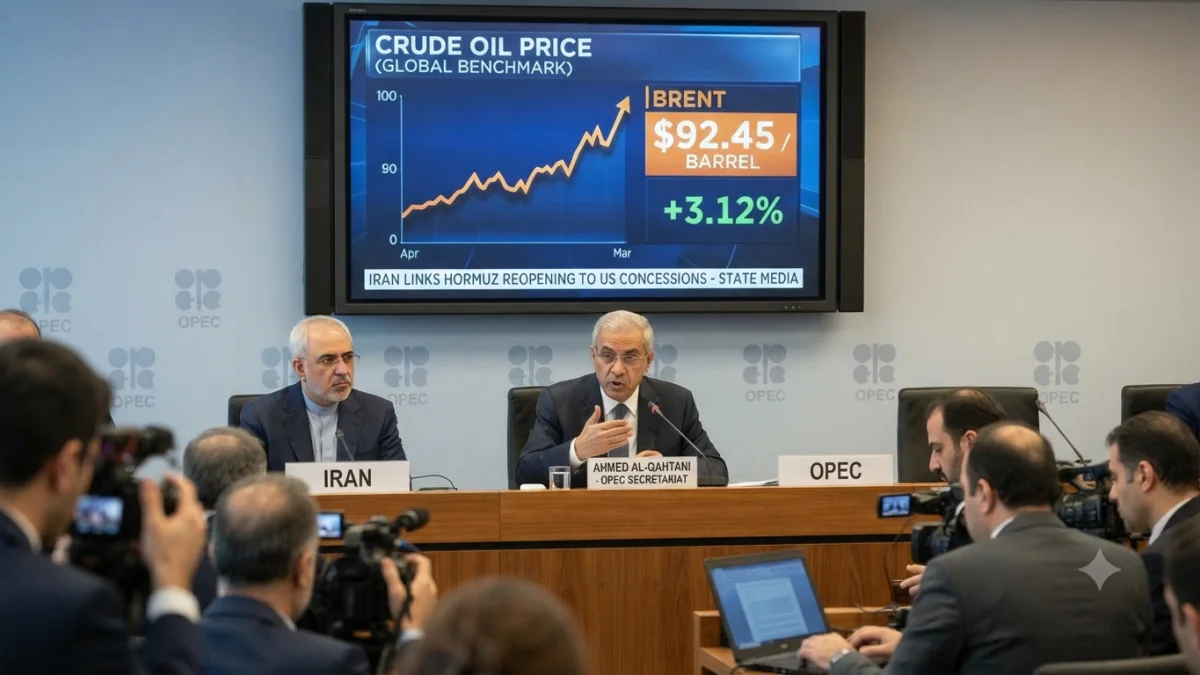
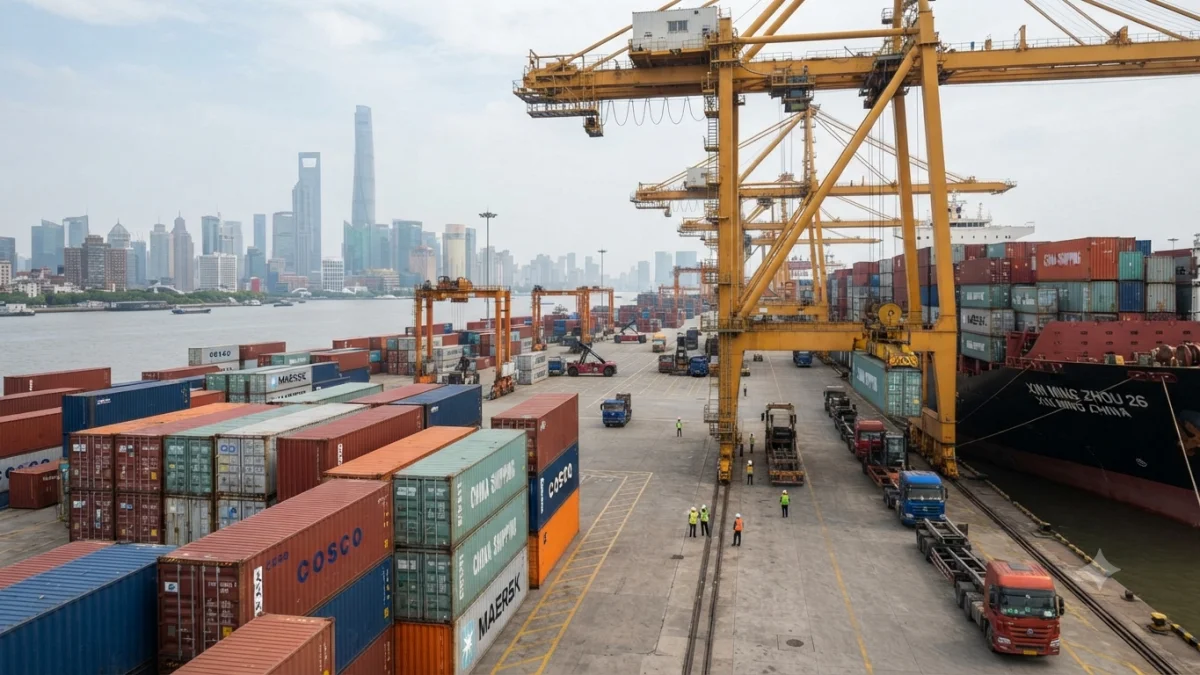
According to the FAO, higher crude oil prices have increased transportation and agricultural input costs, while tighter fertilizer supplies have raised production expenses for farmers worldwide. The agency also warned that the developing El Niño event could reduce crop yields in several major producing regions through droughts, irregular rainfall and extreme weather.
The warning comes as agricultural producers in several regions already face mounting challenges. FAO said elevated fertilizer prices and fuel costs are influencing planting decisions, with some farmers reducing acreage devoted to fertilizer-intensive crops such as wheat and maize. The organization also pointed to weather-related risks affecting harvest prospects in countries including Australia and India, where delayed monsoon rains could weigh on rice production.
FAO said the combined pressures could increase food insecurity in import-dependent countries and among low-income households, particularly if governments respond by imposing export restrictions or limiting supplies of agricultural inputs. The agency urged countries to keep trade routes open, avoid unnecessary export controls and safeguard humanitarian food shipments to reduce the risk of further market disruptions.
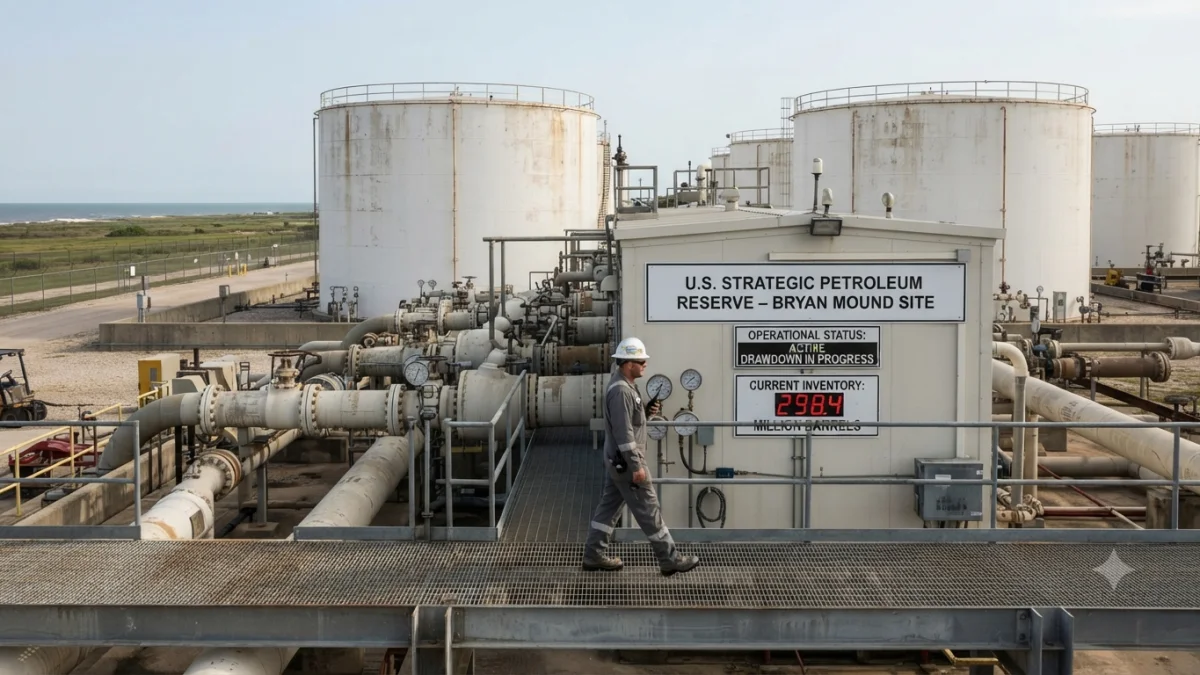
The organization has previously cautioned that disruptions to global energy markets can quickly translate into higher agricultural costs because fuel, fertilizer and transportation are critical components of food production. It said coordinated international action would help improve resilience and lessen the impact on vulnerable populations.
FAO's Food Price Index, which tracks monthly changes in international prices for a basket of globally traded food commodities, had remained broadly stable in recent months after earlier increases, although cereal prices have shown upward pressure amid weather concerns and higher production costs. The agency is scheduled to publish its next monthly Food Price Index update on Aug. 7.