

The prolonged disruption to shipping through the Strait of Hormuz has intensified global concerns over a renewed inflation shock, as higher fuel costs spread across transportation, manufacturing and consumer markets while policymakers assess the durability of the latest diplomatic efforts to restore maritime traffic.
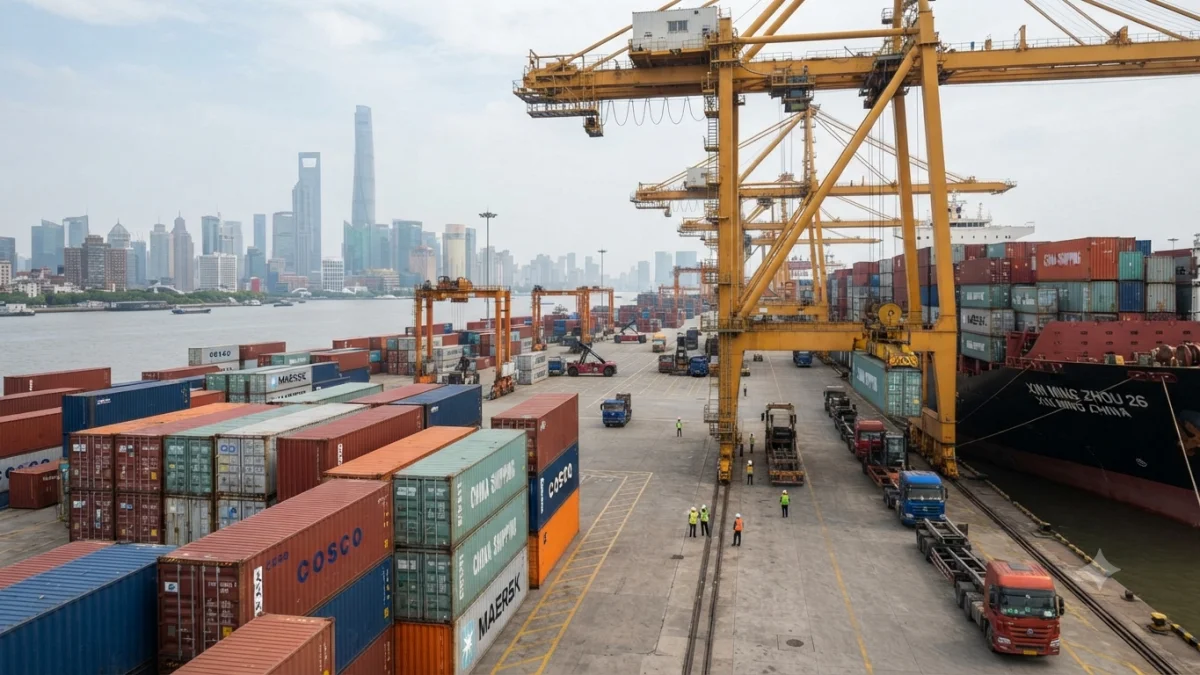
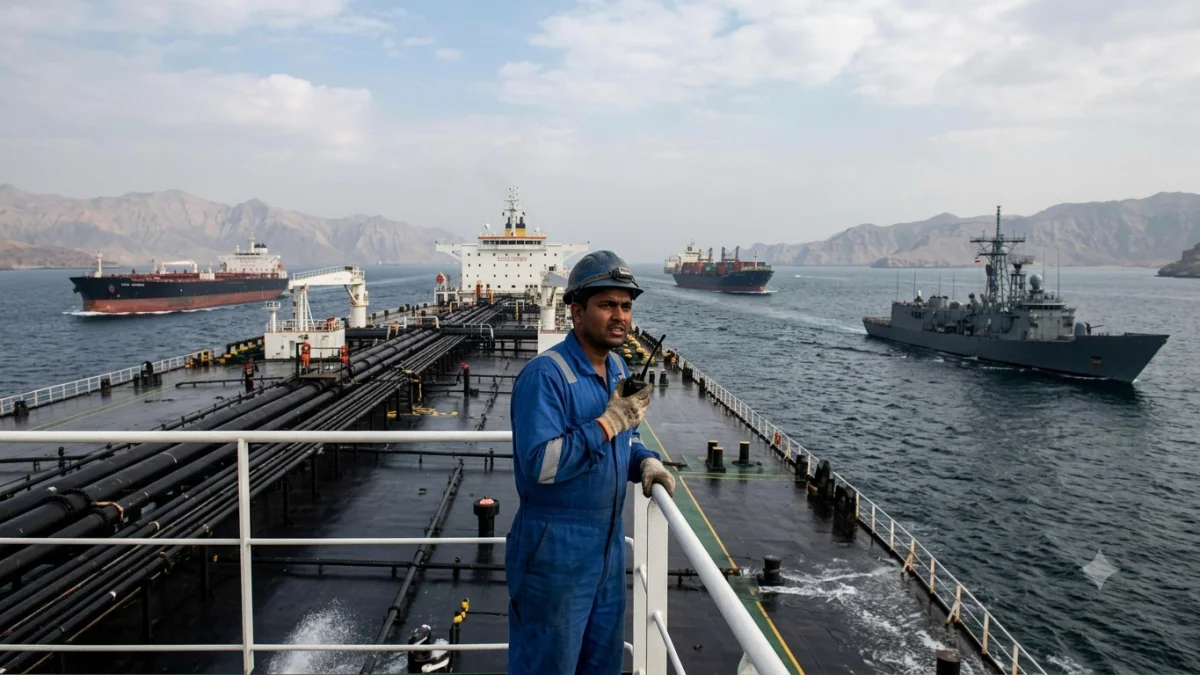
The economic significance extends well beyond the energy sector. The Strait of Hormuz normally carries about one-fifth of the world's seaborne oil and liquefied natural gas exports, making it one of the most critical maritime chokepoints in global trade. The sustained reduction in tanker movements has tightened crude and refined fuel supplies, increased freight costs and complicated supply chains at a time when many central banks had been making progress in reducing inflation following earlier post-pandemic price surges.


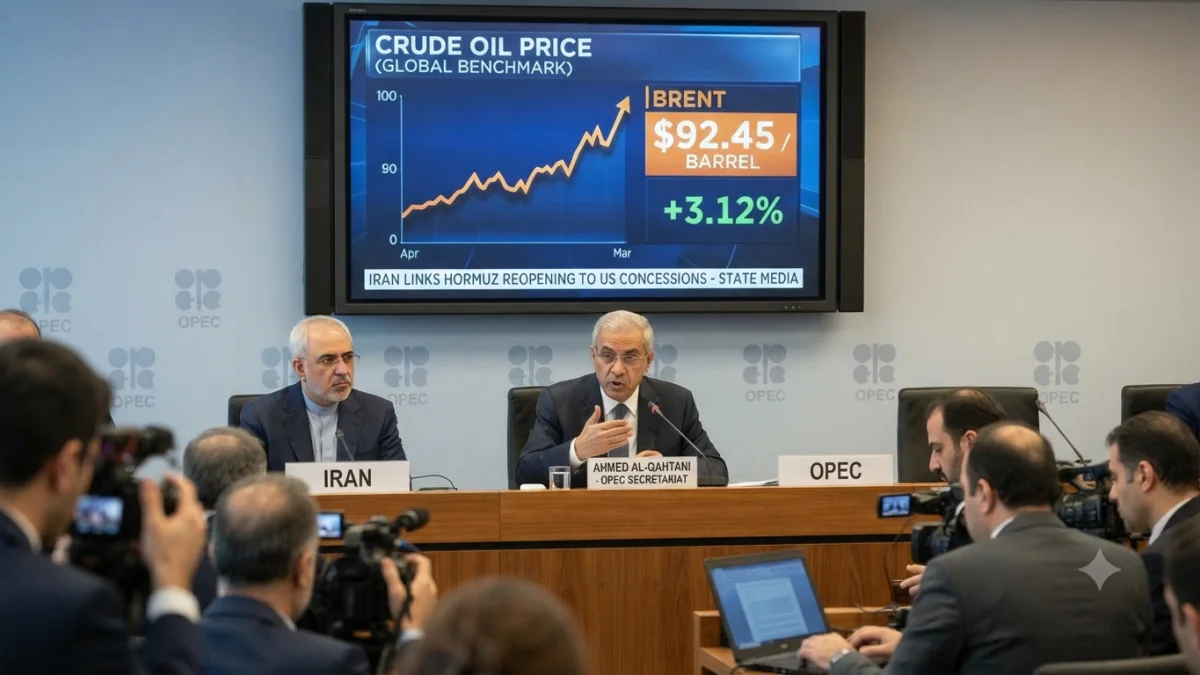
Oil markets have reflected both the physical disruption and shifting expectations over diplomatic negotiations. Prices have remained volatile as investors respond to reports of possible agreements while also reacting to continuing attacks on shipping and conflicting official statements regarding the reopening of the waterway. Brent crude recovered above $80 a barrel on Aug. 5 after renewed security concerns offset optimism generated by reports of mediation efforts involving Oman.
The transmission mechanism from higher crude prices to broader inflation is well established. Rising oil prices increase the cost of gasoline, diesel, jet fuel and marine fuel, raising transportation expenses for businesses and consumers. Those higher logistics costs often filter through supply chains into food prices, manufactured goods and services. Energy-intensive industries, including chemicals, metals and construction materials, also face higher production costs, increasing the risk of broader inflationary pressures even outside the energy sector.
Developing and energy-importing economies remain particularly vulnerable. According to the United Nations Conference on Trade and Development (UNCTAD), the Hormuz disruption has already weakened trade growth prospects, increased financing pressures and intensified inflation risks for countries with limited fiscal capacity. Higher import bills can widen trade deficits, weaken currencies and increase debt-servicing costs, particularly where governments subsidize fuel or rely heavily on imported energy.
Official forecasts have likewise highlighted the persistence of these risks. The U.S. Energy Information Administration said its energy outlook remains highly dependent on assumptions regarding the duration of the disruption, the scale of production outages and the pace at which shipping can normalize once restrictions ease. The agency warned that restoring normal oil flows would likely take months even after any reopening because production, logistics and inventories cannot recover immediately.
The inflation implications also complicate monetary policy. Many major central banks have spent recent years attempting to return inflation toward policy targets through tighter interest rates. A renewed energy-driven price shock presents a difficult trade-off: policymakers may need to tolerate temporarily higher inflation or maintain restrictive monetary policy even if economic growth slows. Unlike demand-driven inflation, energy supply shocks reduce purchasing power while simultaneously increasing production costs, limiting the effectiveness of conventional monetary tools.
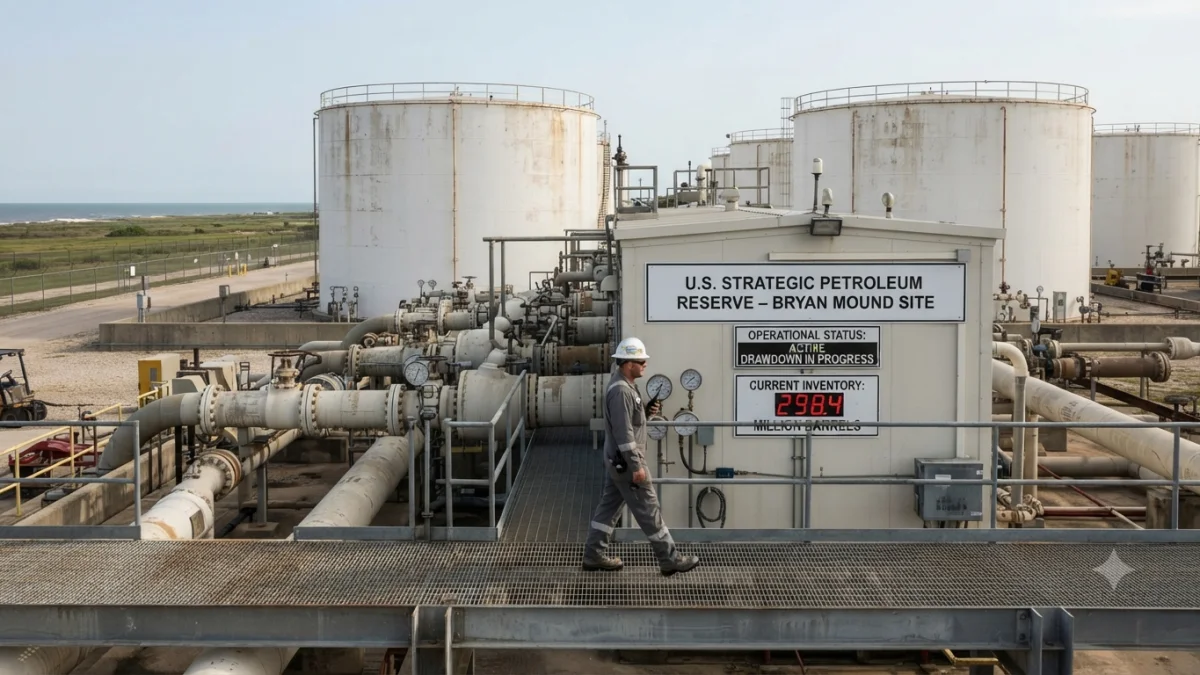
Governments have responded through a combination of emergency energy measures, diplomatic engagement and efforts to diversify supply routes. Oil producers have sought alternative export pathways where infrastructure permits, while consuming countries have monitored strategic petroleum reserves and domestic fuel inventories. However, pipeline capacity and alternative maritime routes cannot fully replace the volume normally transported through the Strait of Hormuz, limiting the ability of global markets to offset prolonged disruption.
Businesses are also adjusting operational strategies. Airlines, shipping companies and manufacturers have increasingly incorporated higher fuel costs into pricing decisions or hedging strategies, while importers have reassessed inventory management to reduce exposure to delivery delays. These adjustments may cushion immediate disruptions but often contribute to higher operating costs that can eventually be passed on to consumers.
Historical experience suggests that geopolitical disruptions affecting major energy corridors can have effects extending beyond commodity markets. Previous oil supply shocks have influenced inflation expectations, consumer confidence and investment decisions, although the scale of the current impact will depend on the duration of transport constraints and the success of diplomatic efforts to restore secure navigation.
Recent reports indicating possible progress in negotiations have improved market sentiment intermittently, yet officials continue to caution that significant differences remain over the terms of any lasting arrangement. Shipping security concerns also persist following additional attacks on vessels operating in the wider region.
For now, the confirmed picture is one of continued energy market uncertainty feeding into global inflation risks through higher fuel and transportation costs. Governments, central banks, energy producers and shipping companies are closely monitoring negotiations over the Strait of Hormuz, the pace of any restoration of tanker traffic, oil price movements and their effects on consumer prices and global economic growth.