GENEVA — Climate scientists and meteorological agencies are closely monitoring the development of El Niño conditions in the Pacific Ocean, warning that the phenomenon is likely to influence weather patterns, temperatures and rainfall across multiple regions in the coming months.
The World Meteorological Organization (WMO) said in an update released this month that El Niño conditions are developing in the tropical Pacific and are expected to affect global climate patterns through at least the end of 2026. The agency estimated an 80% probability of El Niño emerging during the June-August period and a likelihood of around 90% that conditions would persist later in the year.
“The WMO community will be carefully monitoring conditions in the coming months to inform decision-making by governments, humanitarian agencies and climate-sensitive sectors,” WMO Secretary-General Celeste Saulo said in a statement issued on June 2.
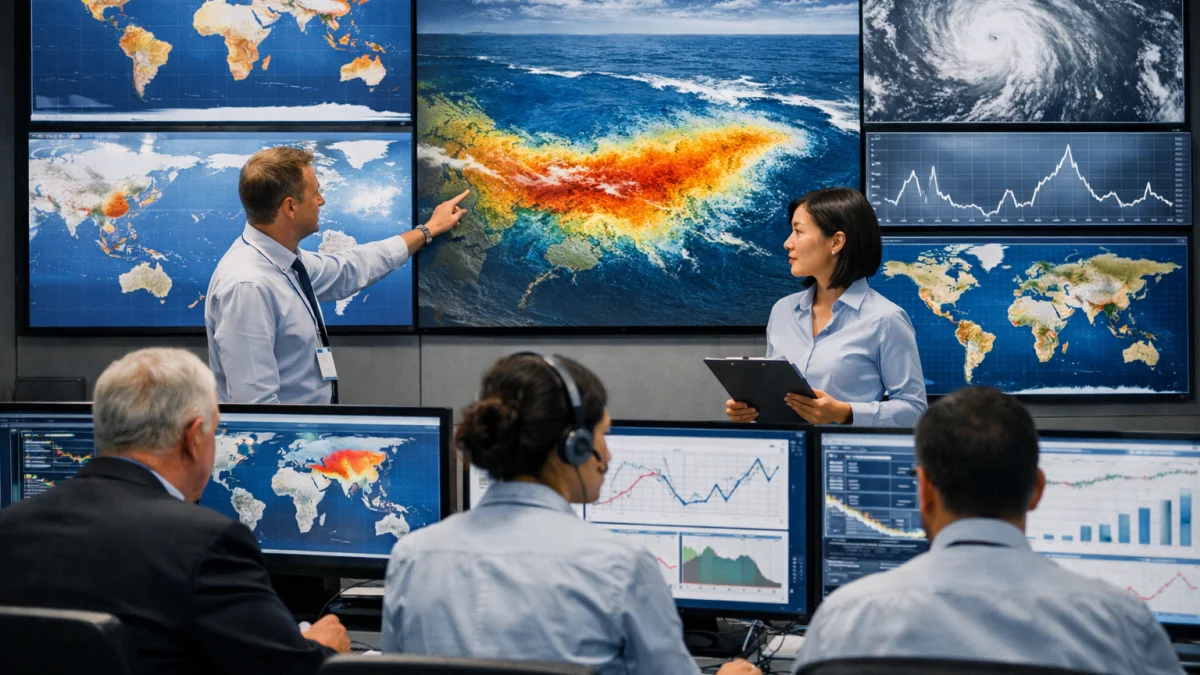
According to the WMO, warmer-than-average ocean temperatures in the central and eastern equatorial Pacific are driving the development of El Niño, a naturally occurring climate pattern that can alter rainfall, temperature and storm activity around the world. The organization said above-average temperatures are forecast across much of the globe during the northern hemisphere summer.
National weather agencies have also increased monitoring efforts. Australia’s Bureau of Meteorology on June 16 formally declared that an El Niño event was underway in the tropical Pacific, citing oceanic and atmospheric indicators consistent with the phenomenon. The bureau said the event could strengthen during the second half of the year and may become one of the strongest observed in decades.
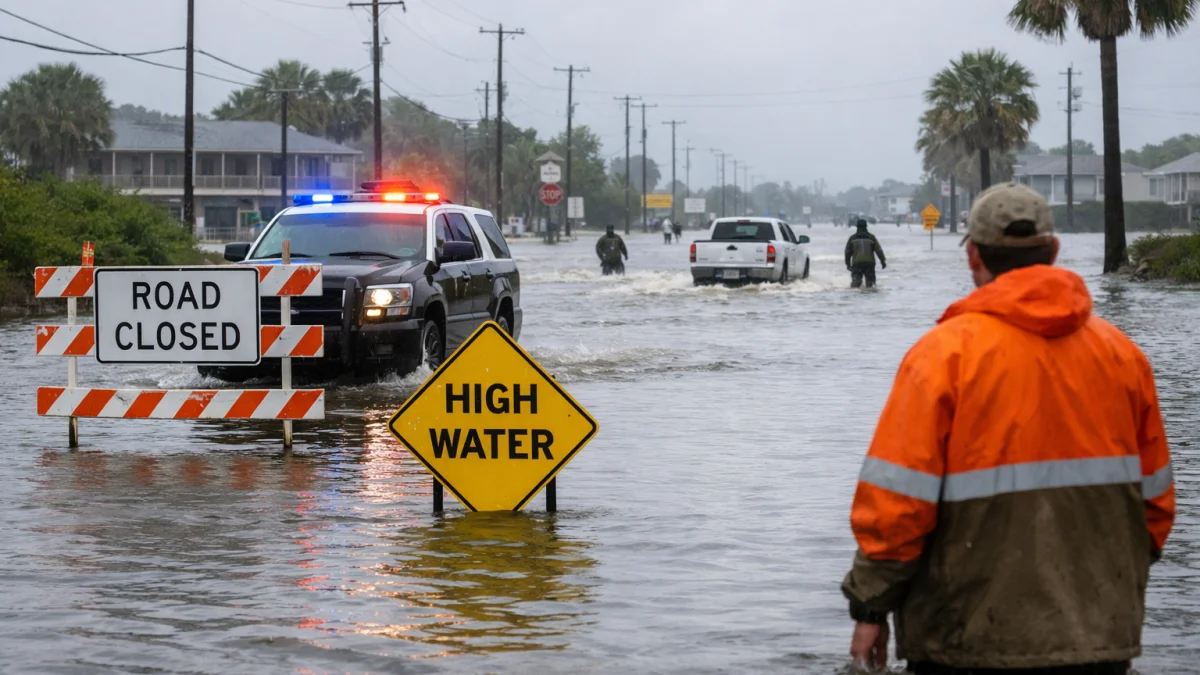
Meteorologists said El Niño typically brings hotter and drier conditions to Australia and parts of Southeast Asia, while increasing the likelihood of heavier rainfall in portions of the Americas. However, forecasters emphasized that regional impacts can vary and that individual weather events cannot be attributed solely to El Niño.
The current development follows the fading of a weak La Niña event earlier in 2026. In March, the WMO reported that neutral conditions were expected to dominate through mid-year before the probability of El Niño increased significantly.
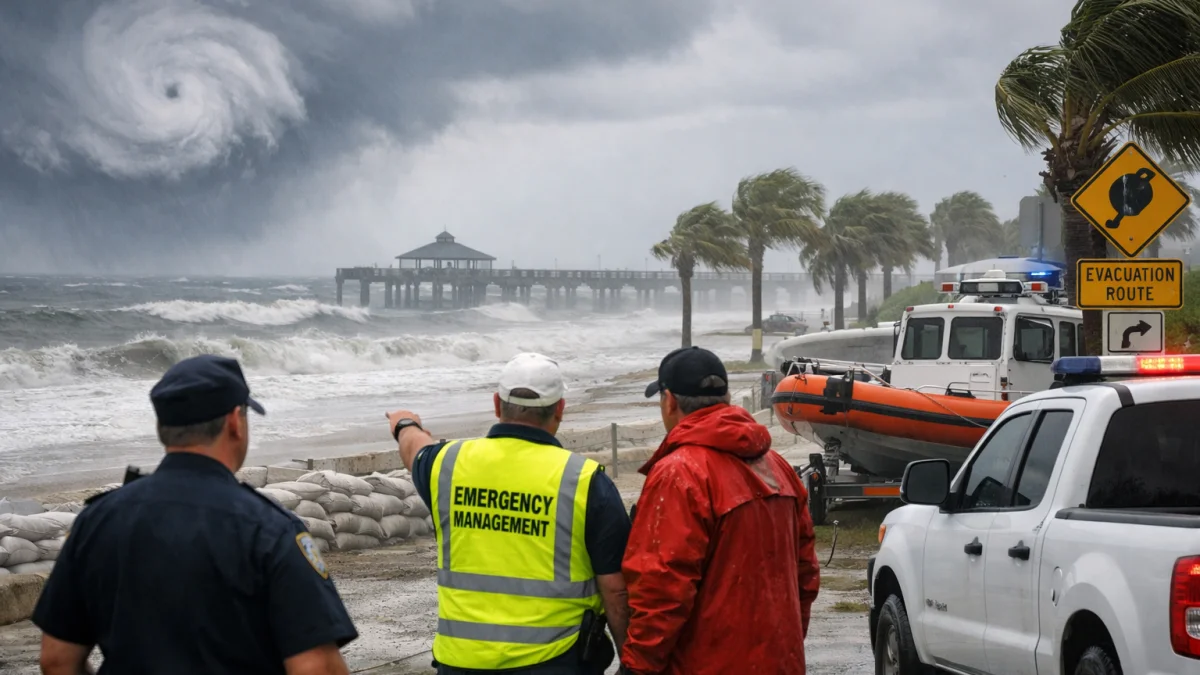
Climate experts said seasonal outlooks are being used by governments, agricultural agencies, water managers and disaster-response organizations to prepare for possible weather-related disruptions. Forecast agencies noted that modern monitoring systems provide earlier warnings than in previous decades, allowing more time for preparedness measures.
As of Thursday, international climate centers continued to track sea-surface temperatures, atmospheric circulation and rainfall indicators across the Pacific. Forecasters said uncertainty remains regarding the eventual strength of the event, but monitoring efforts are expected to continue throughout the year as updated assessments become available.