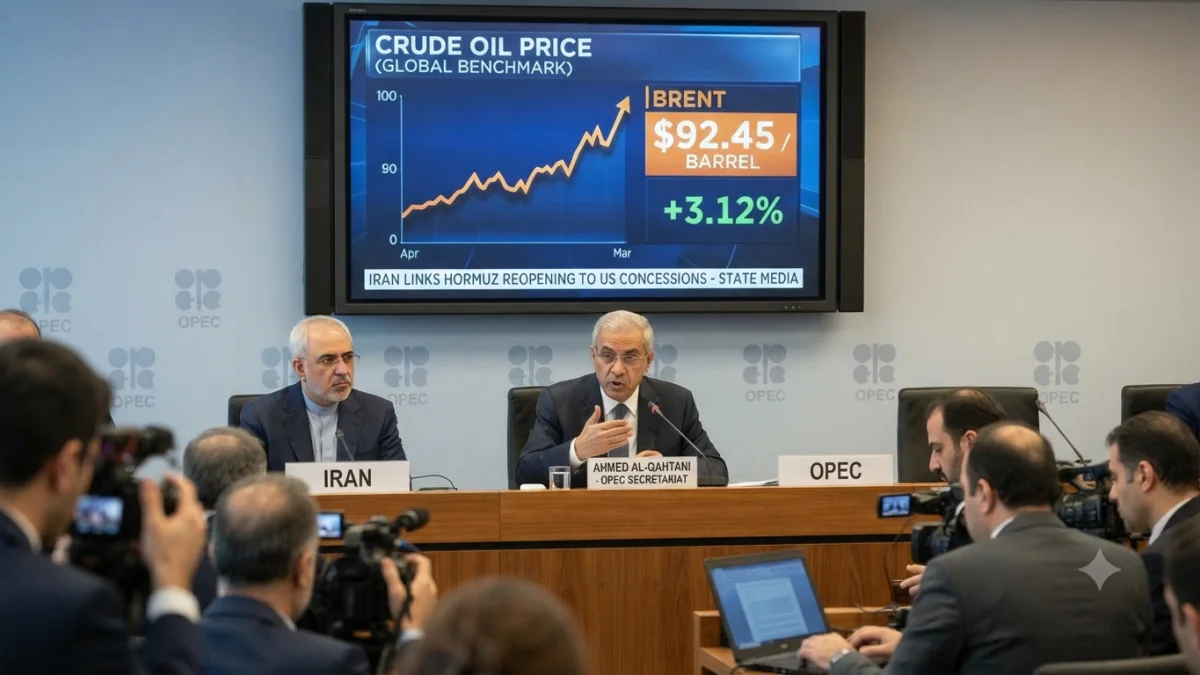


Oil prices fell sharply on Aug. 3 after diplomatic signals from Washington and Tehran eased immediate fears of a wider Middle East conflict, prompting traders to unwind much of the geopolitical risk premium that had accumulated in recent weeks. The decline followed U.S. President Donald Trump's announcement that he had canceled a planned military strike on Iran in favor of pursuing negotiations aimed at curbing Iran's nuclear program and restoring safe navigation through the Strait of Hormuz.
The market reaction underscores how quickly oil prices respond to changing perceptions of supply risk rather than to physical disruptions alone. Throughout July, crude prices had risen more than 20% as hostilities involving Iran, attacks on commercial shipping, and uncertainty surrounding the Strait of Hormuz raised concerns that one of the world's most important energy corridors could face prolonged disruption. Monday's decline reflected a reassessment of those risks rather than evidence that regional security challenges had been fully resolved.


The Strait of Hormuz remains central to global energy markets because a significant share of internationally traded crude oil and liquefied natural gas passes through the narrow waterway. Even the prospect of military escalation has historically been sufficient to raise freight costs, insurance premiums and oil futures as traders price in the possibility of interrupted exports from Gulf producers. Recent tanker attacks and reduced shipping traffic had reinforced those concerns, making diplomatic developments particularly influential for market sentiment.
Financial markets broadly interpreted the latest announcements as reducing the probability of an imminent supply shock. Brent crude and U.S. West Texas Intermediate each recorded substantial declines, while European equity markets advanced as investors anticipated that lower energy costs could ease inflationary pressures. Energy producers underperformed broader markets, while sectors that typically benefit from lower fuel prices, including airlines and travel companies, gained. Government bond yields also declined as expectations for energy-driven inflation moderated.
The price adjustment also reflects the distinction between physical supply conditions and market expectations. Although some commercial tankers resumed movement through regional waterways, shipping activity has not fully normalized. Analysts continue to note that many operators remain cautious until security conditions become more predictable and insurers gain greater confidence that attacks on vessels will not resume. Consequently, while the immediate risk premium has diminished, energy markets continue to assign value to the possibility of renewed disruptions.
Supply fundamentals outside the geopolitical arena also contributed to the market's response. OPEC+ agreed to increase production beginning in September, completing the phased reversal of earlier voluntary output reductions. In normal circumstances, additional production would reinforce downward pressure on prices by improving expected supply. However, analysts have cautioned that ongoing disruptions linked to conflicts in Iran and Ukraine continue to limit exports from some producers, meaning higher production quotas do not automatically translate into larger volumes reaching international markets.
The latest move highlights the dominant role that geopolitical developments have played in oil pricing throughout 2026. Earlier this summer, escalating military tensions repeatedly pushed Brent crude toward or above key psychological thresholds as traders anticipated prolonged disruption in Gulf exports. Previous pauses in fighting and diplomatic initiatives likewise produced rapid price declines, demonstrating that markets have remained highly sensitive to changes in perceived conflict risk rather than underlying demand trends alone.
For major oil-importing economies, lower crude prices could provide temporary relief by reducing fuel import costs and easing pressure on consumer prices. Countries heavily dependent on imported energy, particularly across Asia, generally benefit from declining oil prices through improved trade balances and lower inflation risks. Financial markets therefore viewed Monday's decline not only as a development for commodity traders but also as a factor that could influence monetary policy expectations if lower energy prices prove durable.
Nevertheless, analysts continue to stress that diplomatic announcements alone do not eliminate the structural risks facing global energy markets. Negotiations involving Iran's nuclear program, maritime security in the Strait of Hormuz and broader regional stability remain at an early stage. While Washington has presented the latest developments as an opportunity for renewed diplomacy, officials and market participants alike acknowledge that negotiations could still falter and that shipping security has yet to return fully to pre-crisis conditions.
The confirmed picture is that oil markets have removed a substantial portion of the geopolitical premium built into prices as immediate fears of military escalation receded. Even so, traders, governments and shipping companies continue to monitor diplomatic negotiations, commercial vessel movements through the Strait of Hormuz and the implementation of OPEC+ production increases, all of which will help determine whether the recent decline reflects a lasting improvement in market fundamentals or only a temporary easing of regional tensions.