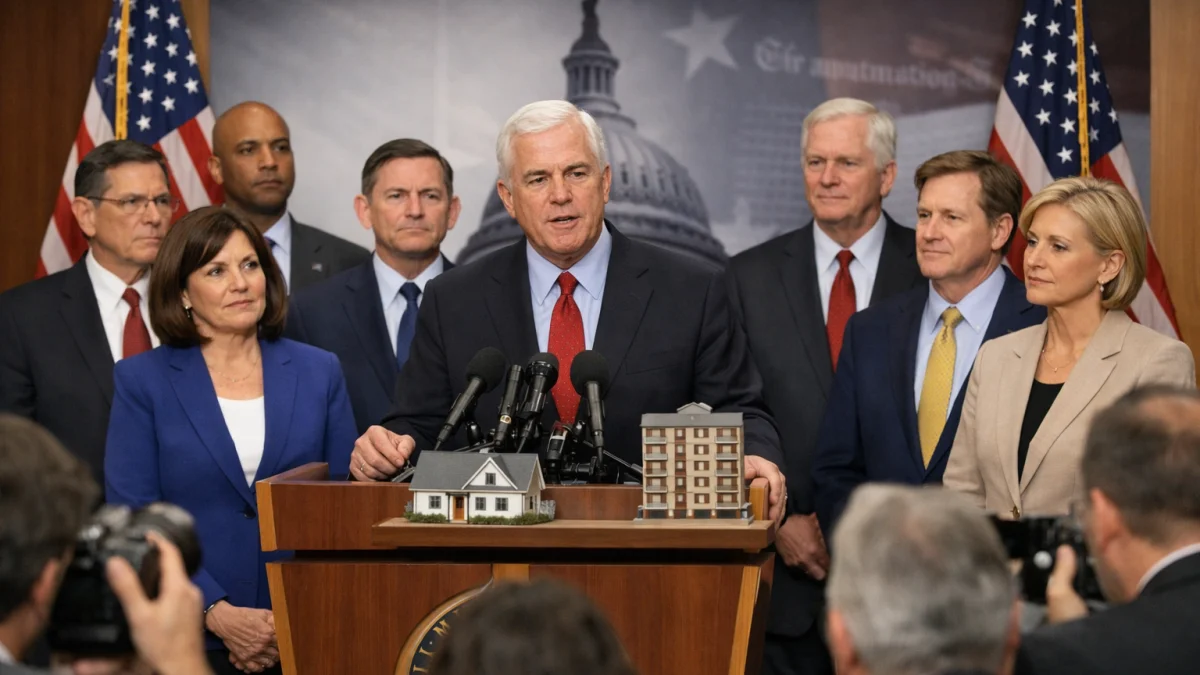


WASHINGTON — The U.S. Senate on Monday, June 22, 2026, passed a bipartisan housing affordability bill aimed at increasing housing supply, expanding access to affordable housing programs and reducing barriers to construction, according to congressional records and lawmakers. The legislation, known as the 21st Century ROAD to Housing Act, passed with broad support and will move to the House of Representatives for consideration.
The bill combines multiple housing proposals developed in the Senate and House and includes measures focused on construction, financing and federal housing programs, according to the Senate Banking Committee. Supporters said the legislation was designed to address concerns about housing costs and limited availability across the country.


Senate Banking Committee Chairman Tim Scott, a Republican from South Carolina, and Democratic Senator Elizabeth Warren of Massachusetts were among the lawmakers involved in negotiating the measure. Scott said the legislation was intended to “lower costs, expand housing supply, cut red tape, protect taxpayers, and help more Americans achieve the dream of homeownership,” according to comments reported by The Associated Press.
Among its provisions, the bill would limit certain large institutional investors from purchasing additional single-family homes after reaching a specified ownership threshold, according to reports on the legislation. It also includes steps to streamline some federal housing reviews, support local efforts to increase housing construction and expand financing options for some homebuyers.
Supporters from both parties described the measure as a response to affordability concerns affecting renters and prospective homeowners. Senator Warren said the legislation recognizes a federal role in addressing housing costs and expanding access to housing, according to The Associated Press.
Some lawmakers have raised concerns about the scope of federal involvement and whether the provisions would have the intended effect on housing prices. Critics have pointed to questions about implementation and market impacts, while supporters argue the bill focuses on increasing supply and improving access to housing programs.
The legislation also includes changes related to manufactured housing, rental assistance and disaster recovery programs, according to the Senate Banking Committee and congressional summaries. Details of implementation would depend on further action by lawmakers and federal agencies if the bill becomes law.
The bill now heads to the House of Representatives, where lawmakers will decide whether to approve the Senate-passed version or consider changes. Officials said no final House action had occurred as of the latest reports.