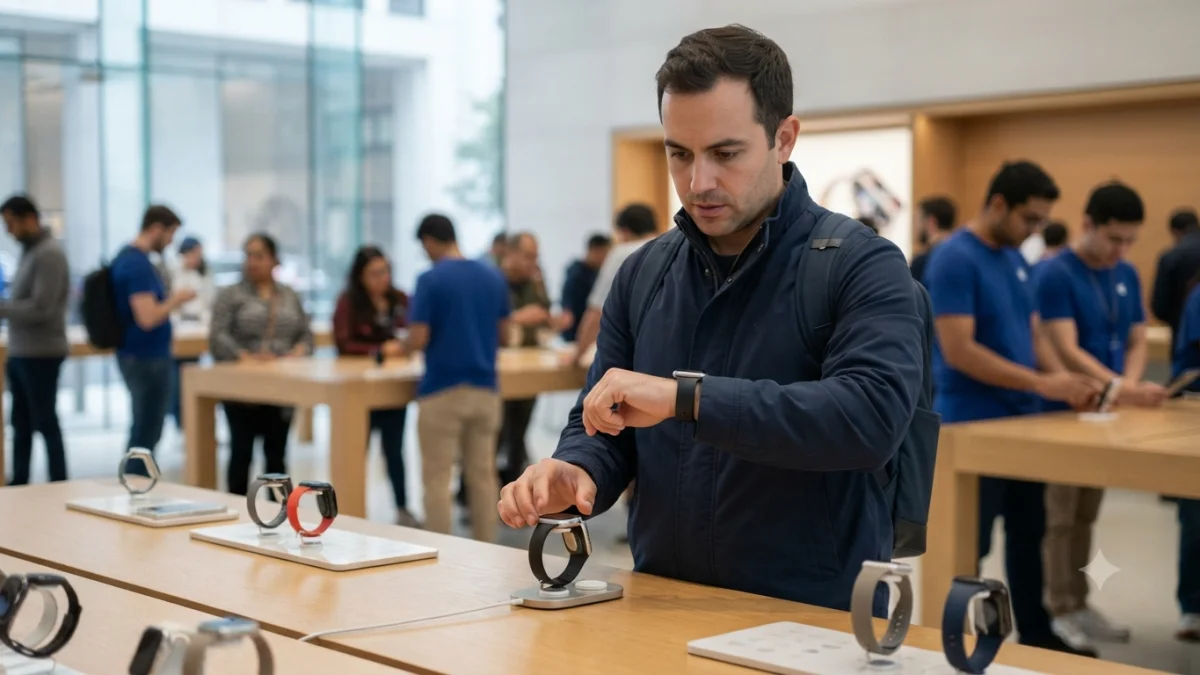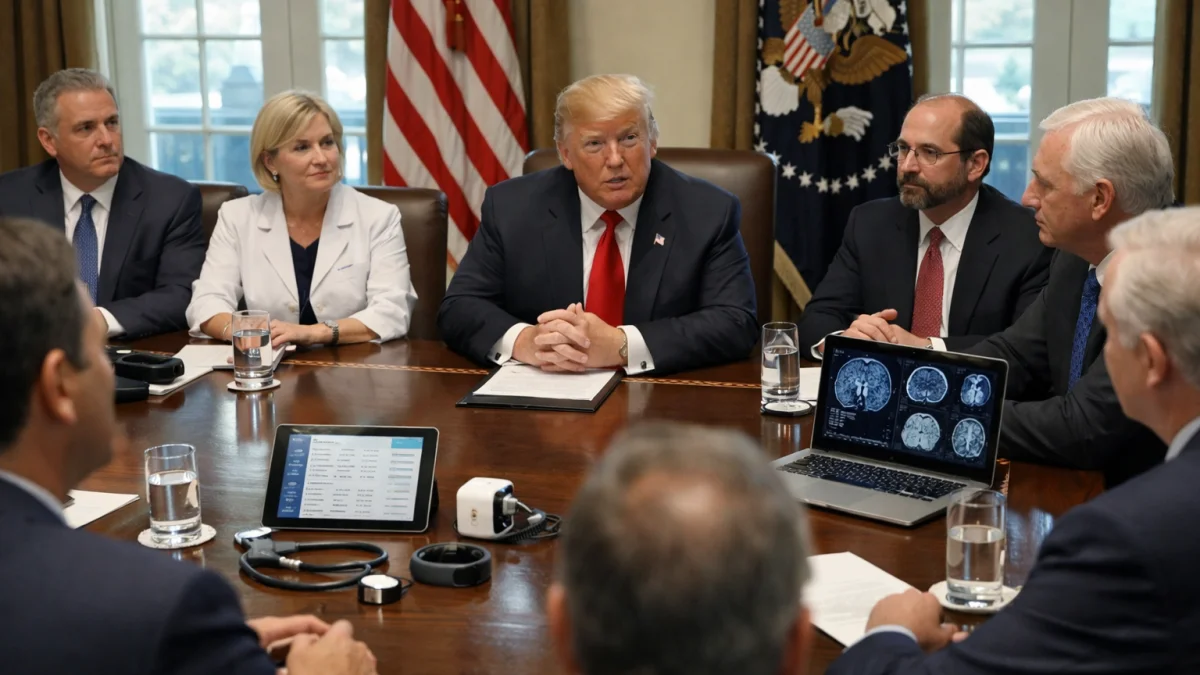


WASHINGTON — The Trump administration is advancing a series of health technology initiatives in partnership with major technology and healthcare companies, expanding efforts to improve the exchange of medical information and increase patient access to digital health tools, federal officials said this week.
The initiatives, led by the U.S. Department of Health and Human Services and the Centers for Medicare and Medicaid Services (CMS), build on a digital health ecosystem announced at the White House in 2025. The program seeks to make health records more accessible to patients and providers through interoperable data-sharing systems and consumer-facing applications. More than 60 companies, including major technology firms and healthcare organizations, have pledged support for the effort, according to CMS.


Federal officials said the initiative focuses on enabling patients to access and share medical information through approved applications while reducing administrative burdens on healthcare providers. Participating companies include technology firms such as Amazon, Apple, Google, Anthropic and OpenAI, according to administration announcements.
“For decades, bureaucrats and entrenched interests buried health data and blocked patients from taking control of their health,” Health and Human Services Secretary Robert F. Kennedy Jr. said when the initiative was announced. The administration has said the program is intended to improve patient outcomes, increase efficiency and support the use of emerging technologies, including artificial intelligence.
Officials reported additional progress in February, citing expanded use of the Trusted Exchange Framework and Common Agreement, known as TEFCA, a nationwide interoperability network designed to facilitate secure health-data exchange. HHS said nearly 500 million health records had been exchanged through the network as of early 2026.
CMS also unveiled an initial group of digital health tools in April, including applications intended to help patients manage chronic conditions, access health records and navigate healthcare services. Agency officials said hundreds of companies had joined the broader initiative by that time.
The administration has described the public-private effort as a voluntary framework intended to accelerate innovation in healthcare technology. Industry participants have pledged to work toward common standards for data sharing and patient access.
Some privacy advocates and policy experts have raised concerns about how sensitive health information could be protected when accessed through applications operated by private-sector companies. Administration officials have said participation is voluntary and that security and patient control remain central to the program.
As of June 2026, federal agencies said work on the interoperability framework and related digital health tools was continuing, with additional deployments and industry participation expected as the initiatives move forward.