

WASHINGTON — U.S. intelligence assessments indicate Russian President Vladimir Putin could seek to test NATO’s resolve with a limited attack on an alliance member in the coming years, including through cyberattacks, unmarked armed groups or a small-scale incursion, according to U.S. officials and reports on the assessments.
The assessments represent a shift from an earlier U.S. judgment that Putin was unlikely to provoke NATO while Russia remained engaged in the war in Ukraine, officials said. The possible timeframe identified in the assessments runs from this fall through 2029, although officials described the likelihood of a limited ground incursion as low.


U.S. officials said the assessments reflect concern that pressure on Putin over the course of the Ukraine war could increase his willingness to take risks. The reports said Russian forces have made limited battlefield gains while Ukrainian drone attacks have caused damage inside Russia.
The assessments also cite recent incidents involving NATO territory or airspace as evidence of Russian probing. Russian cruise missiles have landed in Poland and drones have entered Romanian airspace, according to the reports. Separately, U.S. intelligence has linked an explosive-laden drone found at Leipzig/Halle Airport in Germany to the Russian government, according to officials familiar with the matter. German authorities have not publicly assigned responsibility for the incident.
The intelligence warnings come as the United States faces concerns over supplies of some weapons needed for a potential conflict with Russia or China. Officials cited shortages involving Precision Strike Missiles, Army Tactical Missile Systems and Stinger air-defense missiles, as well as some air-defense interceptors. Pentagon spokesman Sean Parnell rejected claims of a critical ammunition shortage, saying the U.S. military retained the weapons required for current operations, according to the reported U.S. response.
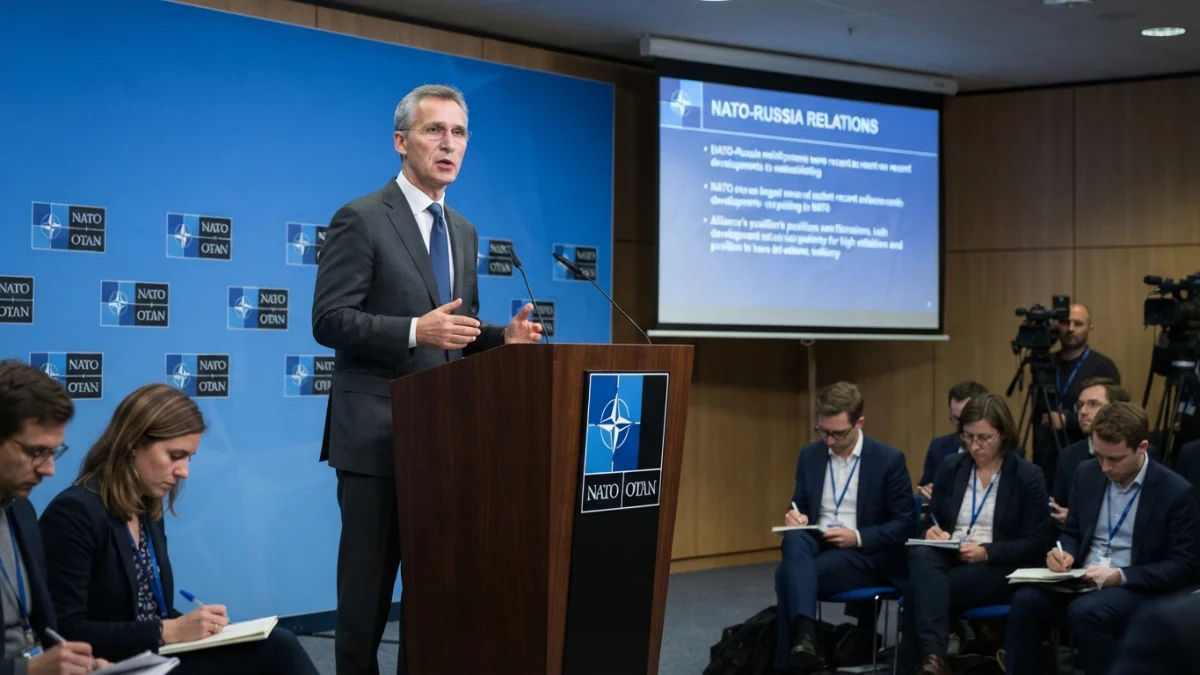
NATO's collective-defense commitment remains central to the alliance's response. At its July summit in Ankara, member states reaffirmed their commitment to Article 5, under which an armed attack against one ally is considered an attack against all. NATO Secretary General Mark Rutte said the alliance would stand together in defending its members.
NATO has also continued strengthening its eastern defenses and military capabilities in response to what it describes as the long-term threat posed by Russia. The alliance says significant cyber and hybrid attacks may, depending on circumstances, qualify as armed attacks under Article 5.
The U.S. intelligence assessments do not establish that Moscow has decided to attack a NATO member, and officials did not identify a confirmed Russian plan for such an operation. The assessments instead outline potential scenarios and estimate the risks facing the alliance through 2029.